When your check engine light starts flashing and then holds steady especially alongside steering problems it's your car telling you something needs attention right now. A flashing check engine light that turns solid often signals that an active misfire or electrical fault has settled into a persistent issue. When this is connected to the steering rack, it points to a fault in the electric power steering system, a sensor failure, or a communication problem between modules. Ignoring this pattern can lead to expensive repairs or loss of power steering assist while driving.
What does a flashing then solid check engine light actually mean?
A flashing check engine light is more urgent than a solid one. When it flashes, the onboard computer (ECU) is detecting an active, potentially damaging problem most commonly severe engine misfires. Once the light stops flashing and stays solid, the fault is still present but has either stabilized or the system has logged a diagnostic trouble code (DTC) for later retrieval.
In the context of a steering rack, this behavior usually means the vehicle's electronic control modules have detected an electrical or communication fault tied to the power steering system. Modern electric power steering (EPS) racks communicate with the ECU, ABS module, and instrument cluster. When one module sends erratic signals, the check engine light can flash as the system tries to process the fault, then go solid once a code is stored.
You can look up specific OBD-II codes linked to steering rack failure to understand exactly what your vehicle is reporting.
Why would the steering rack trigger the check engine light?
Not all vehicles tie the steering rack directly to the check engine light. In older hydraulic systems, a failing rack typically causes power steering fluid leaks and hard steering without triggering the engine light. But in vehicles with electric power steering or electronically controlled hydraulic systems, the steering rack is part of the vehicle's network of sensors and modules.
Here are common reasons the steering rack can cause this light pattern:
- Faulty torque sensor inside the EPS rack: The torque sensor measures how much effort you're applying to the wheel. If it sends erratic or out-of-range values, the ECU may flash the check engine light and then store a code.
- Steering angle sensor mismatch: If the steering angle sensor reports a position that conflicts with what the ABS or stability control module expects, multiple warning lights can appear together.
- Electrical short or open circuit in the steering rack motor: The EPS motor draws significant current. A damaged wire, corroded connector, or internal motor fault can cause voltage spikes that trigger the check engine light.
- Failed or failing EPS module: The electronic control unit built into or paired with the steering rack can develop internal faults, especially in high-mileage vehicles or after water intrusion.
- CAN bus communication errors: The steering rack communicates over the CAN bus network. If the rack's module stops talking or sends garbled data, other modules flag the error and lights flash accordingly.
Is it safe to drive when this happens?
A flashing check engine light means you should reduce speed and avoid heavy acceleration. When the light goes solid, the immediate risk may have decreased, but the problem hasn't gone away. If the steering rack is involved, you could experience:
- Intermittent loss of power steering assist, making the wheel unexpectedly heavy
- Steering that feels notchy, jerky, or delayed
- Stability control or traction control disabling itself
- A locked or limp-mode steering feel at low speeds
Driving with these symptoms is risky, especially at highway speeds or in tight traffic. If the power steering assist cuts out completely, you'll still be able to steer but it will require much more physical effort, and the car may pull or respond unpredictably.
How do you diagnose a steering rack-related check engine light?
Start with an OBD-II scan. Even a basic code reader can pull the stored and pending codes that tell you what the ECU detected. Common codes related to steering rack issues include those in the C-series (chassis) and U-series (communication) code ranges, though some EPS-related faults show up as standard P-series powertrain codes.
Here's a practical diagnostic approach:
- Read and record all codes not just the engine codes. Scan all available modules including ABS, EPS, and instrument cluster.
- Note freeze frame data this tells you the vehicle speed, engine load, and conditions when the fault occurred.
- Check for related TSBs some vehicles have known issues with steering rack sensors or EPS modules. A NHTSA recall search or manufacturer technical service bulletin may save you time and money.
- Inspect wiring and connectors look for corrosion, chafed wires, or loose connectors at the steering rack and EPS module.
- Test the steering angle sensor use a scan tool with live data to watch the steering angle sensor values as you turn the wheel. The readings should be smooth and consistent.
If you're unsure about interpreting the codes, an online consultation for OBD-II code interpretation can help you understand what your scan results mean before committing to repairs.
What are the most common mistakes people make with this issue?
Clearing the codes without fixing the problem. This resets the light but doesn't fix the underlying fault. The light will come back, and you've lost valuable diagnostic data.
Replacing the steering rack without confirming the fault. A steering rack is an expensive part. Sometimes the issue is a $50 sensor, a bad ground wire, or a software update not a $1,500+ rack assembly.
Ignoring the flashing stage. Many drivers wait until the light stays solid, assuming the problem resolved itself. The flash is a snapshot of an active fault. The solid light is the stored memory of that fault. Both matter.
Assuming it's unrelated to steering because the check engine light is on. The check engine light covers a wide range of systems. In modern vehicles, a steering rack fault can absolutely trigger it, especially when the EPS module shares communication lines with the engine control system.
What does a flashing then solid light look like on different vehicles?
The behavior varies by manufacturer. Here's what to expect on common platforms:
- Honda / Acura: EPS faults often trigger both the check engine light and a dedicated EPS warning light. A flashing CEL that goes solid can indicate a motor driver fault inside the EPS unit.
- Toyota / Lexus: The electric power steering system may set communication-related codes that appear under the engine module. A VGRS (Variable Gear Ratio Steering) fault can cause unusual light patterns.
- Ford / Lincoln: EPAS (Electric Power Assisted Steering) failures can trigger the check engine light alongside a "Steering Assist Fault" message. Wiring issues at the rack are common in certain model years.
- GM / Chevrolet: The EPS system is tightly integrated. A failed torque sensor or module can cause the CEL to flash, then hold, while also disabling stability control.
- Nissan / Infiniti: Electronic steering column lock and EPS issues can interact with the engine management system, causing multi-system warning light patterns.
What should you do right now if your check engine light is flashing then staying solid?
Here's a practical checklist:
- Pull over safely if the light is actively flashing and you notice drivability issues.
- Note any other warning lights power steering, stability control, ABS, or traction control lights alongside the CEL give important clues.
- Scan for codes immediately using an OBD-II reader. Record all codes from all modules.
- Don't clear the codes yet save them for diagnosis.
- Check your steering feel does the wheel feel heavy, jerky, or unresponsive? Note when it happens (cold start, turning, highway speed).
- Inspect under the hood for obvious wiring damage near the steering rack or column.
- Research your specific codes using trusted resources for OBD-II codes related to steering rack failure.
- Get a professional diagnosis if the codes point to the EPS module or internal rack components these are not typically DIY-friendly repairs.
- Ask about software updates some steering rack faults are resolved with a dealer-level ECU reflash rather than hardware replacement.
Tip: If you have the codes but aren't sure what they mean for your specific vehicle, a code interpretation consultation can help you decide whether you're looking at a sensor issue, a wiring problem, or a full rack replacement before you spend money at the shop.
 Obd-Ii Diagnostic Procedure for Steering Rack Light Issue
 Online Consultation for Steering Rack Obd-Ii Code Interpretation
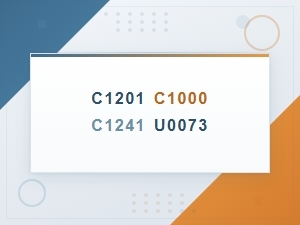 Common Obd-Ii Codes Linked to Steering Rack Failure
 Affordable Obd-Ii Scanners for Steering Rack Diagnosis
 Steering Rack Replacement Check Engine Light Stays on After Fix What to Do
 Can a Bad Steering Rack Cause the Check Engine Light to Come On?